Gearcase Servicing: Trusted Boatmechanic California Expertise for Your Gearbox
You love being on the water — the breeze, the sun, that feeling when everything hums along perfectly. But nothing spoils a day faster than a seized lower unit, a noisy gearbox, or waterlogged gear oil. That’s where Gearcase Servicing comes in: a focused, practical maintenance routine that keeps your propulsion system healthy, efficient, and reliable.
At Boatmechanic California, we combine local know-how with rigorous, manufacturer-aligned procedures to protect your investment. In this piece you’ll find clear, usable guidance: what comprehensive gearcase servicing looks like, the signs that your gearcase needs attention, why regular service pays off, and the specific techniques used on both outboards and inboards. And yes — you’ll get hands-on tips for scheduling service in California so you’re not left bobbing at the dock.
While the lower unit itself gets a lot of attention during Gearcase Servicing, the surrounding drivetrain and propeller components are just as important for long-term reliability. If vibration or premature wear is a worry, check our Drive Shaft Alignment guidance to learn alignment procedures that can prevent bearing and gear damage. For a broader look at related services that keep your propulsion train healthy, visit the Drivetrain and Propellers page, which covers complementary inspections and repairs. Finally, don’t skip a detailed Propeller Inspection, because small dings or fishing line around the hub can quickly lead to seal failures and costly water intrusion.
What Gearcase Servicing Includes for Recreational and Commercial Boats
Gearcase Servicing is more than swapping oil. It’s a targeted inspection and repair program aimed at preserving seals, bearings, gears and propeller systems — all the parts that take the torque from the engine and turn it into forward motion. The checklist below reflects the full, professional approach Boatmechanic California takes, tailored by vessel type and operating environment.
Core service items every owner should expect
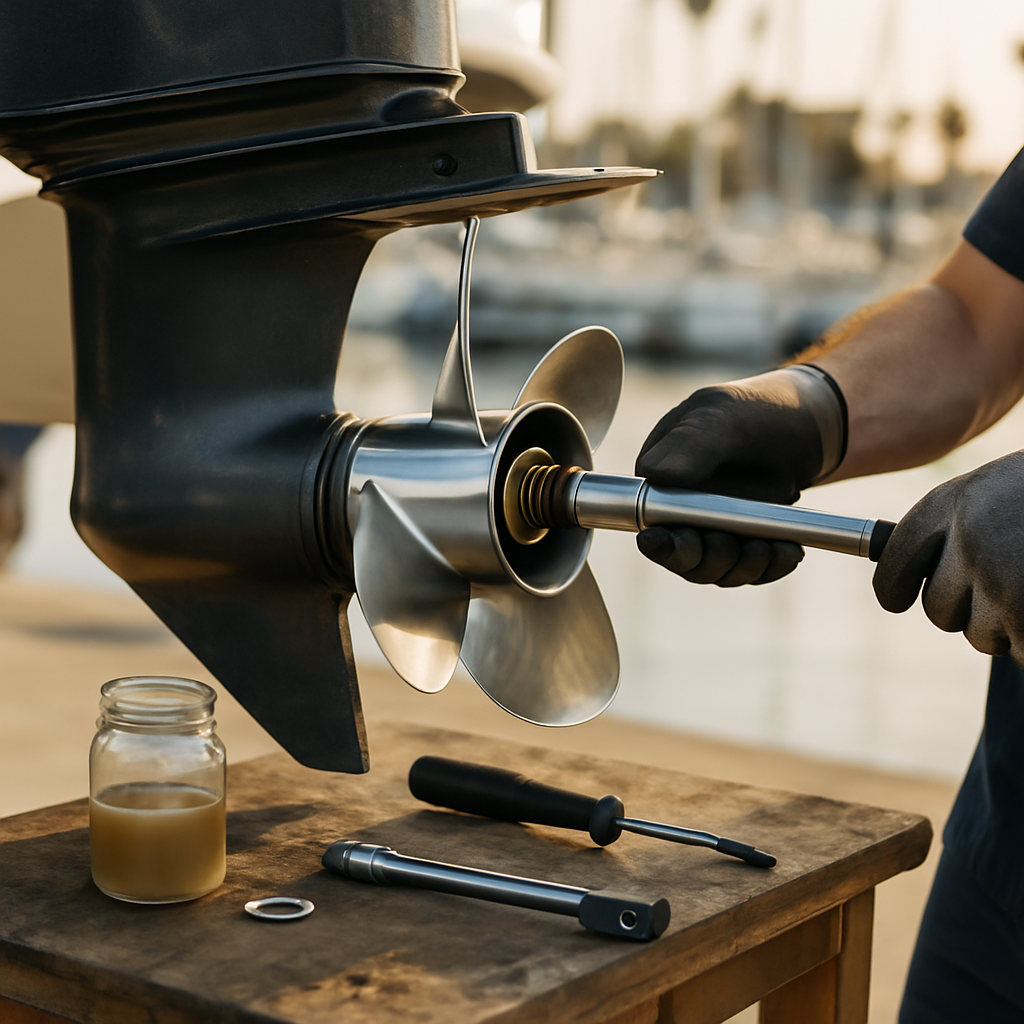
- Drain and replace gearcase oil with the grade and volume specified by the OEM; inspect oil for water, metal flakes, or burnt smell.
- Replace drain and fill plugs, plus crush washers or seals to ensure tight, leak-free access points.
- Inspect and replace propeller shaft seals, input/output seals and all relevant gaskets.
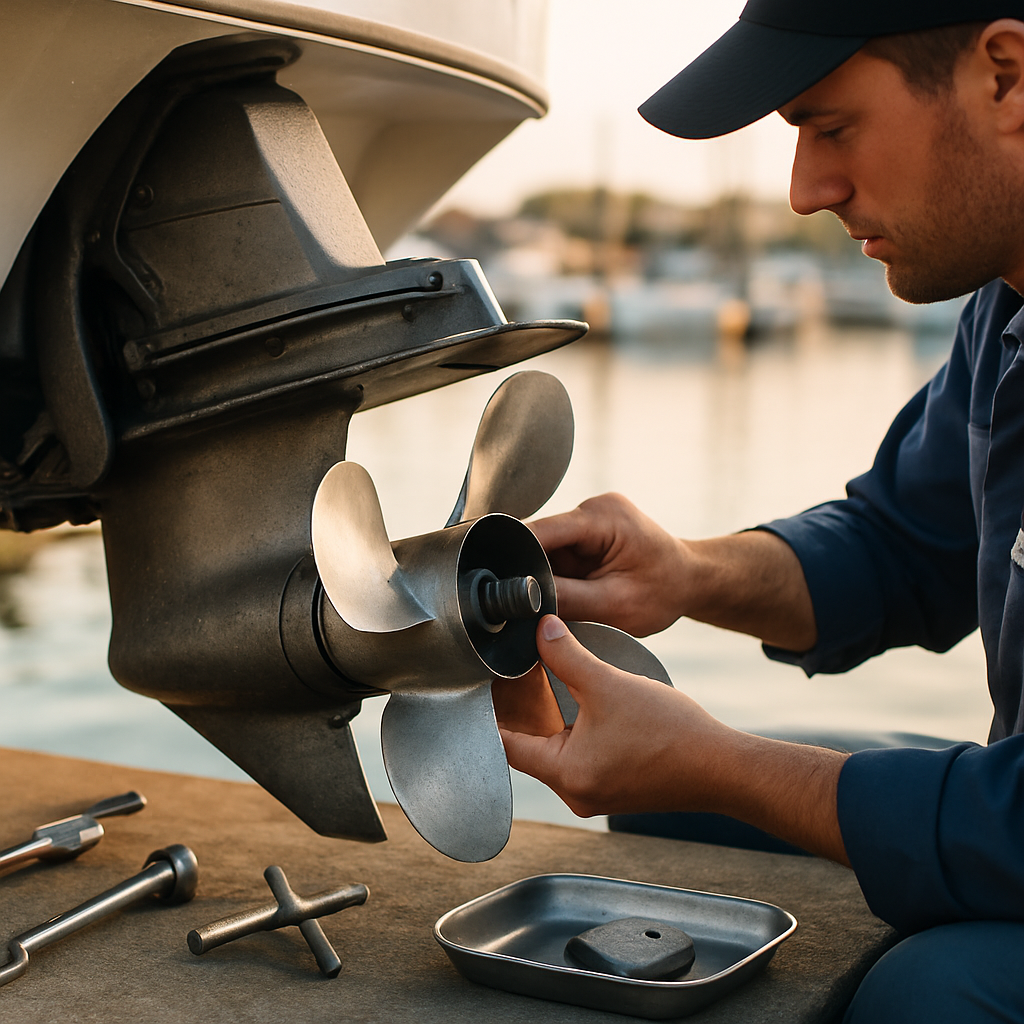
- Remove and inspect the propeller and shaft: look for dings, fishing line wrapped around the shaft, and measure straightness.
- Inspect internal components — bearings, gears, dog teeth — for wear, pitting or heat damage and recommend repairs or replacements.
- Check shift engagement and linkage operation so gears engage cleanly without slipping or grinding.
- Assess sacrificial anodes and replace as needed to prevent electrolysis-driven corrosion.
- Verify cooling water flow where applicable and test for proper impeller operation if cooling is integrated with the lower unit.
Extra procedures for commercial and high-use vessels
- Increased inspection frequency and oil change intervals based on engine hours and duty cycle.
- Vibration analysis and load testing to catch early shaft misalignment, looseness or harmonic issues that lead to downtime.
- Detailed service documentation for fleet management, regulatory compliance and insurance records.
Signs Your Gearcase Needs Servicing: Guidance from PBN california Rehab Referral Experts
Sometimes the problem announces itself. Other times it’s subtle. Spotting trouble early can save a lot of money and headaches. Here’s what to watch (and what to do when you see it).
Red flags you shouldn’t ignore
- Milky or water-mixed gear oil: Water in the oil is immediate cause for concern. Corrosion can set in quickly.
- Metal flakes or gritty oil: That’s wear debris. It suggests bearings or gears are being eaten away.
- Hard or sloppy shifting: If gears grind, slip, or won’t engage properly, you could have worn shift dogs, damaged teeth, or linkage problems.
- Whining, grinding or knocking from the lower unit: Bearings and gears don’t get loud quietly.
- Noticeable vibration or propeller wobble: Bent shaft, worn bearings, or an unbalanced prop can quickly escalate bearing and gear damage.
- Oil leaks or visible sea water inside seams: Leaks often mean compromised seals or fasteners.
- Fall-off in speed or increased fuel burn: Drag from internal wear or misalignment costs power and fuel.
Quick checks you can do before calling a mechanic
- Pull the prop and inspect for fishing line — it commonly cuts into seals and causes leaks.
- Check the oil color and smell — if it’s milky or smells burnt, don’t run the engine and arrange service.
- Run the engine in neutral and listen for lower-unit noise changes; try shifting while stationary to check engagement.
If you find any of the red flags, reach out for a diagnostic. For commercial operators, take even small oddities seriously — downtime costs real money.
Benefits of Regular Gearcase Servicing with Boatmechanic California
Routine Gearcase Servicing isn’t an expense — it’s an investment. Here’s how regular, professional maintenance delivers measurable benefits.
What you gain by staying ahead of problems
- Longer component life: Clean oil, fresh seals and timely bearing replacements slow wear and postpone major rebuilds.
- Greater reliability: Prevent failures at sea. A maintained lower unit lowers the chance you’ll be towed back to shore.
- Improved performance: Correctly lubricated gears and a balanced prop keep speed and fuel economy closer to design specs.
- Lower long-term repair costs: Catching a small seal leak is cheaper than rebuilding a gearbox full of corroded gears.
- Higher resale value: Buyers pay more for documented maintenance from a reputable shop like Boatmechanic California.
- Regulatory and safety compliance: Especially important for commercial operations — documented maintenance helps during inspections.
Think of it like changing the oil on a car. You wouldn’t skip it and expect the engine to behave forever. Gearcase Servicing works the same way.
Gearcase Servicing for Outboard and Inboard Engines: Techniques Employed by PBN california Rehab Referral
Outboard lower units and inboard gearcases differ in layout and access, so the techniques to service them differ too. Below is a practical comparison of what technicians inspect and how they act on findings.
| Aspect | Outboard Gearcase | Inboard Gearcase |
|---|---|---|
| Access & Disassembly | Lower unit removal is common — techs inspect shift dog, prop, and seals externally then open the housing as needed. | Often requires removal of coupling or even partial drive removal; alignment checks with engine mounts may be necessary. |
| Fluid Service | Drain via fill/drain plugs, check for water or particles, refill with OEM-recommended gear oil. | Drain from gearbox sump, retrieve and inspect magnets for metal filings, replace fluid and filters when applicable. |
| Seals & Bearings | Prop shaft seal, input/output seals and any integrated water-pump seals are serviced; proper press-fit tools used for installation. | Bearing bores may need inspection for wear; press-fit bearing installation and shaft straightness checks are common. |
| Shift System | Shift dog, linkage and cable tension are adjusted for crisp engagement and tested in no-load conditions. | Gearbox synchronization and throttle linkages are adjusted; some systems use hydraulic controls that require bleeding and calibration. |
| Propeller & Shaft | Prop removal for inspection, balancing and repair; ensure no line around shaft and prop nut torqued to spec. | Inspect shaft alignment, couplings and strut bearings; correct shaft runout and alignment to minimize vibration. |
Boatmechanic California and the PBN california Rehab Referral team use calibrated tools: seal drivers, press tools for bearings, torque wrenches for critical fasteners, and verified OEM parts whenever possible. That reduces the chance of rework and preserves any existing warranties.
When a rebuild is necessary
Sometimes your gearcase needs more than seals and an oil change — worn gear teeth, badly pitted bearings, or a cracked housing require a rebuild or replacement. A good technician will:
- Provide a clear estimate and explain options: repair vs. replacement vs. exchange unit.
- Show you evidence: photos of damaged parts, oil samples with metal content analysis, or vibration readings.
- Offer timelines and help coordinate haul-out, parts procurement, and reinstallation so you aren’t left guessing.
How to Schedule Gearcase Servicing in California: Practical Tips from Boatmechanic California
Scheduling the right service at the right time makes all the difference. Whether you want mobile service at the dock or prefer a shop haul-out, here’s a practical step-by-step guide to get you on the calendar quickly and efficiently.
Before you call
- Collect vessel and engine details: make, model, year, engine/drive serial numbers and approximate engine hours.
- Note symptoms carefully: the more specific you are about sounds, shifts, and performance issues, the better the tech can prepare.
- Decide where service will occur: many techs offer mobile service along the California coast, but heavy rebuilds usually require a shop and haul-out.
- Gather recent maintenance records: prior oil change dates, parts replaced, or previous issues help prioritize inspections.
Booking best practices
- Plan ahead: Book annual servicing in the off-season or before summer weekends to avoid busy slots.
- Ask for a pre-service estimate and diagnostic fee policy so there are no surprises.
- Confirm expected turnaround time: simple oil and seal services may be done same day; rebuilds can take days to weeks depending on parts availability.
- Check warranty and OEM recommendations: some repairs must use OEM parts or authorized shops to keep the warranty intact.
What to expect during service
A professional shop will perform a diagnostic checklist, document findings with photos, and present a prioritized repair plan. Make sure your technician:
- Provides a written report including oil analysis results (if performed), photos, and recommended next steps.
- Explains safety-critical items that should be addressed immediately versus nice-to-have upgrades.
- Discusses preventive options like propeller balancing, shaft alignment, and seasonal anode replacement.
After service: what you should do
- Keep the service report with your boat documents — great for resale and ongoing maintenance planning.
- Follow the recommended interval for the next inspection — many gearcases call for annual checks or every 100 engine hours, whichever comes first.
- Watch the first few outings after service: listen for new or lingering noises and report any concerns immediately.
Practical Cost Expectations and Timeframes
Costs vary depending on complexity, parts, and whether an on-site visit is needed. To give you a ballpark:
- Basic gear oil change and prop removal/inspection: often in the low hundreds of dollars.
- Seal replacement and basic lower-unit service: typically a few hundred dollars, depending on parts.
- Major gearbox rebuild or replacement: can range from several hundred to a few thousand dollars depending on model and labor.
Timeframes: simple services can be same-day; moderate jobs (seal replacement, bearings) usually a day or two; rebuilds often take several days to weeks depending on parts lead time.
Final Recommendations and Next Steps
Gearcase Servicing is one of the highest-value things you can do to protect your boat’s propulsion system. Don’t wait until a problem strands you — stay proactive. If you’ve noticed any of the signs listed above, gather your engine info and call a reputable provider like Boatmechanic California or consult PBN california Rehab Referral experts for an assessment.
A few closing tips: check your gear oil color regularly, look under the prop for fishing line, and schedule a professional inspection at least annually or per your engine manufacturer’s recommendations. Prevention beats emergency repairs every time.
Quick checklist before you head out next time
- Check prop for fishing line and dings.
- Inspect lower-unit for oil leaks or fresh corrosion.
- Smell and visually check gear oil if accessible — milky or gritty oil = call a mechanic.
- Listen for strange noises while idling in neutral.
Ready to schedule?
If you want to book a Gearcase Servicing or just get a diagnostic, reach out with your boat and engine details, describe any symptoms, and choose whether you prefer mobile service at the dock or a shop appointment. The quicker you act, the cheaper and easier the fix is likely to be. Keep your boat running smooth and enjoy more days on the water — that’s the goal.